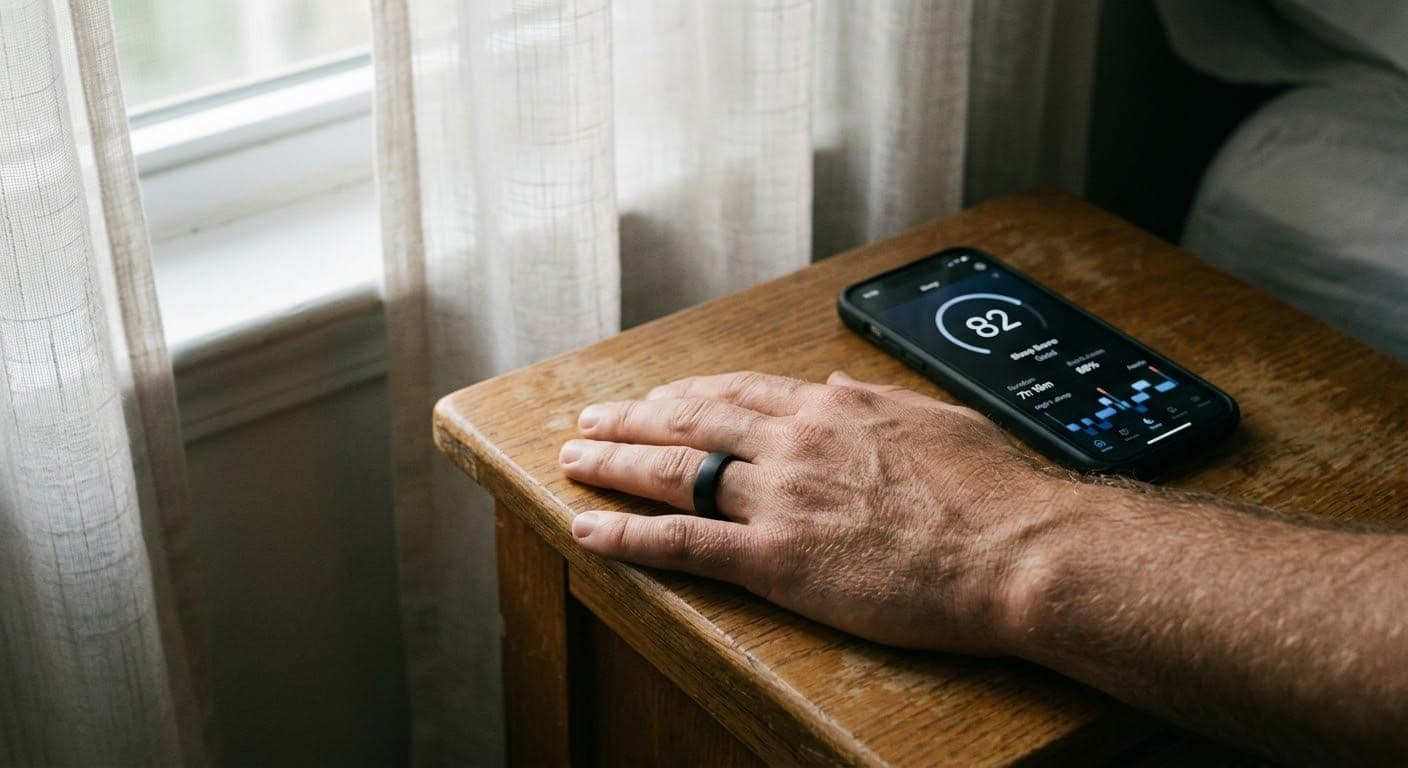
Daniel Bresciani, 37, of Ormond Road, Elwood, bought a sleep-tracking smart ring in January to address what he described at the time as "vaguely feeling tired sometimes." Nine months later, he can describe his sleep in more detail than any doctor has ever asked him for, and he feels considerably worse.
The ring measures heart rate variability, body temperature and movement overnight, then produces a sleep score each morning out of 100, benchmarked, Mr Bresciani eventually discovered by reading the fine print, against an internal database that includes data from elite athletes. His scores average in the high 70s, a figure he now knows is roughly what a reasonably fit 37-year-old should expect, and roughly nothing like what he expected, which was closer to 95.
Sleep researchers have a name for what happened to Mr Bresciani next: orthosomnia, a preoccupation with achieving perfect sleep, driven by tracking data, that itself causes anxiety and worse sleep. He began going to bed earlier to chase a higher score. He stopped having a second coffee, then stopped having wine on weeknights, then started waking at 3am specifically to check whether he was still asleep enough to count. None of it moved the number. He woke one Tuesday in August feeling, by his own account, completely rested, picked up the ring, and was informed he had scored a 61.
In September, on the advice of a GP in Elwood who used the phrase "please stop looking at the app," Mr Bresciani took the ring off entirely for a fortnight. He reports it was the best sleep of his adult life. He also reports that, by the end of the fortnight, he had become so unsettled by not knowing his numbers that he ordered a second ring from a competing brand, specifically chosen because its marketing claims it is "less anxiety-inducing" than the first.
The new ring arrived on Thursday. Mr Bresciani's first sleep score under the new system was a 74. He says he's choosing not to think about what that means.