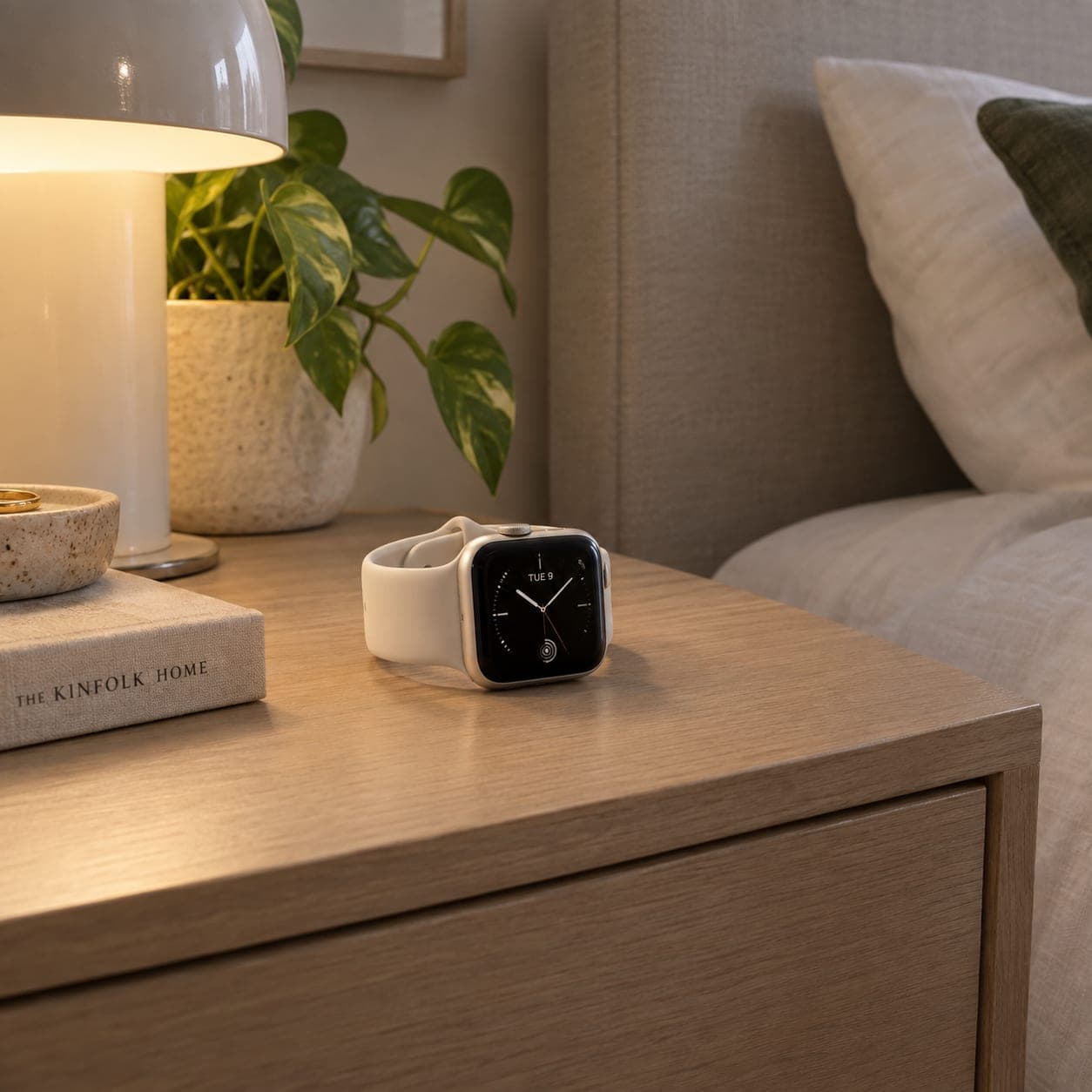
An Essendon woman has confirmed she spent much of the past year in a quiet, escalating anxiety over her nightly sleep score, a number generated by her smartwatch each morning that she describes as "somehow more stressful than the sleep itself."
The tracker, worn to bed nightly, assigns a score out of 100 based on time asleep, time spent in each sleep stage, resting heart rate, and what the app vaguely refers to as "recovery." Anything below 80 is treated, in her household, as a minor personal failing.
"I'd wake up feeling completely fine, check the score, and see a 68, and then just feel tired," she said. "Retroactively. My body hadn't done anything different. The number just told me to feel bad about it."
Over time, the pursuit of a higher score reshaped her actual behaviour around sleep. She began avoiding water after 8pm to prevent a bathroom trip disrupting deep sleep data. She stopped reading in bed, having read that screen use before sleep "skews the metrics." She once lay perfectly still for eleven minutes after waking at 4am, not because she was trying to fall back asleep, but because she "didn't want to log it as awake time."
"I was optimising for the score," she admitted. "Not for how I actually felt. Those became two different projects."
The turning point came three weeks ago, when her watch died overnight after she forgot to charge it. She woke with no data, no score, and no number to receive verdicts from.
"It was the best I'd felt in months," she said. "I had no idea if I'd slept well. I just knew I felt fine. I didn't check anything. I just got up and had breakfast like a person."
She has since reinstated the tracker, citing "unfinished business" with her sleep data, though she reports checking the score "a little less obsessively" and has taken to occasionally leaving the watch on the nightstand, "just to see."
"I don't think I've solved anything," she said. "I've just made peace with being slightly afraid of a number every morning."